Insights · Websites · 29 August 2025
5 Signs It’s Time to Redesign Your Website
Five practical signs your website is holding your business back, and what to check before you commit to a rebuild.
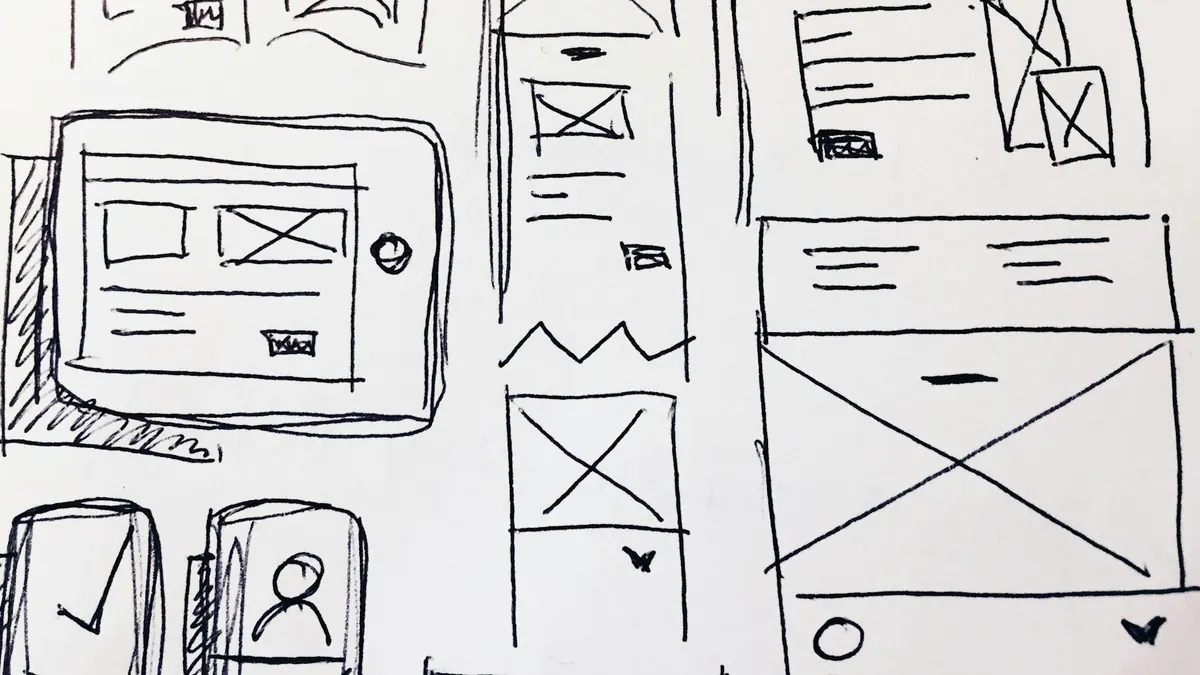
Your website is often the first impression people have of your business. Like a shopfront, it can become dated, cluttered or simply stop doing its job. These are the five signs we see most often that it’s time to redesign your website, plus what to check before you commit to a rebuild.
Key takeaways
- Redesign when your site looks dated, struggles on phones, loads slowly, doesn’t bring enquiries or is hard to update.
- Google indexes and ranks the mobile version of your site, so phone problems are search problems too.
- Some problems need a targeted fix, not a full rebuild. Diagnose first.
- Protect your search visibility in a redesign with 301 redirects for any URLs that change.
1. It looks dated next to your competitors
Visitors judge quickly. If your site looks noticeably older than the businesses you compete with, people may assume your business is behind the times too, even when your work is excellent.
Check: Open your homepage and two competitors’ homepages on your phone. Which one would you trust with your money? Be honest, or ask someone who doesn’t know you.
2. It doesn’t work well on a phone
Text you have to pinch to read, buttons too small to tap and menus that don’t open all send people away. It matters for search too: Google uses the mobile version of a site’s content for indexing and ranking.
Check: Try to make an enquiry on your own site using only your phone. Count how many times you get stuck.
3. Enquiries aren’t coming in
A website should help people take the next step. If visitors arrive but don’t enquire, the cause is usually an unclear message, no obvious call to action or a form that asks too much. Sometimes enquiries are being sent but never reach you.
Check: Read why website enquiries go missing and run the five-minute test before you blame the design.
4. Pages load slowly
Slow pages frustrate visitors, especially on mobile data. Google’s guidance on Largest Contentful Paint, a measure of how quickly the main content appears, says a good experience is 2.5 seconds or less. Page experience is one of the signals Google’s ranking systems use, though fast pages alone won’t guarantee a top position.
Check: Run your homepage through PageSpeed Insights and look at the mobile result. Oversized images, heavy themes and too many plugins are the usual causes.
5. Updating it is a chore
If every small text change needs a developer, or you avoid logging in because the editor is confusing, the site will drift out of date. Old prices, past events and broken links chip away at trust.
Check: When did you last update your site? If you can’t remember, how easy updating is should be part of the brief for any redesign.
Redesign or targeted fix?
Not every problem needs a new website. Slow images, a confusing homepage message or a broken form can often be fixed in days. A redesign makes sense when several of the signs above apply at once, or when the platform itself is what’s holding you back.
If you’re not sure, start with a diagnosis. Our Website & Enquiry Audit looks at what you have and recommends what to fix first.
Before you start a redesign
- List every page that gets traffic or enquiries, using Google Search Console, so nothing important is lost.
- Keep the same URLs where you can. Where a URL must change, set up a permanent (301) redirect from the old address to the new one.
- Note your current enquiry numbers, so you can tell whether the new site performs better.
- Decide who will update the site afterwards, and choose a platform they can actually use.
- Decide whether you need one focused page or a full site. Our guide to landing page vs website can help.
Next steps
If two or more of these signs sound familiar, it’s worth planning a redesign. See our website packages or read why your website needs to work, not just look good.
Sources
- Mobile-first indexing best practices, Google Search Central
- Largest Contentful Paint (LCP), web.dev
- Understanding Google page experience, Google Search Central
- Site moves and migrations, Google Search Central
FAQ
Common questions.
How often should a business redesign its website?
There’s no fixed schedule. Many small businesses redesign every few years, but the better trigger is the signs in this article: a dated look, phone problems, slow pages, missing enquiries or a site that’s hard to update.
Will a website redesign hurt my SEO?
It can if pages disappear or URLs change without redirects. Keep important URLs, set up permanent 301 redirects for any that change, keep your content and check Search Console after launch.
What’s the difference between a website refresh and a redesign?
A refresh updates content, images and styling on the existing site. A redesign rethinks structure, messaging and often the platform. If the site works but looks tired, a refresh may be enough.
How long does a website redesign take?
A focused redesign of a small site usually takes a few weeks. Larger sites with many pages, new content and migrations take longer, mostly because of writing and review.
Keep reading.
 Websites
What to Put on a Coaching or Consulting Website, Page by Page
The pages a coach or consultant actually needs, what goes on each one and what you can leave out.
 Websites
Landing Page or Full Website: Which Does Your Business Need?
One focused page or a multi-page site? How to decide, based on what you sell, who you sell to and how people find you.
 Websites
How a Strong Online Presence Builds Trust With Customers
What people check before they contact a business, and the practical steps that make your business look trustworthy online.

Want a website that does this for you?
Start with the free website check, then choose the level of help you need.
Free website check